If Las Vegas Sports Events, Stadium Pumping Billions Of Dollars Into Economy, Why Is ‘Nevada One Of The Worst States To Live In’
By Alan Snel, LVSportsBiz.com Publisher-Writer
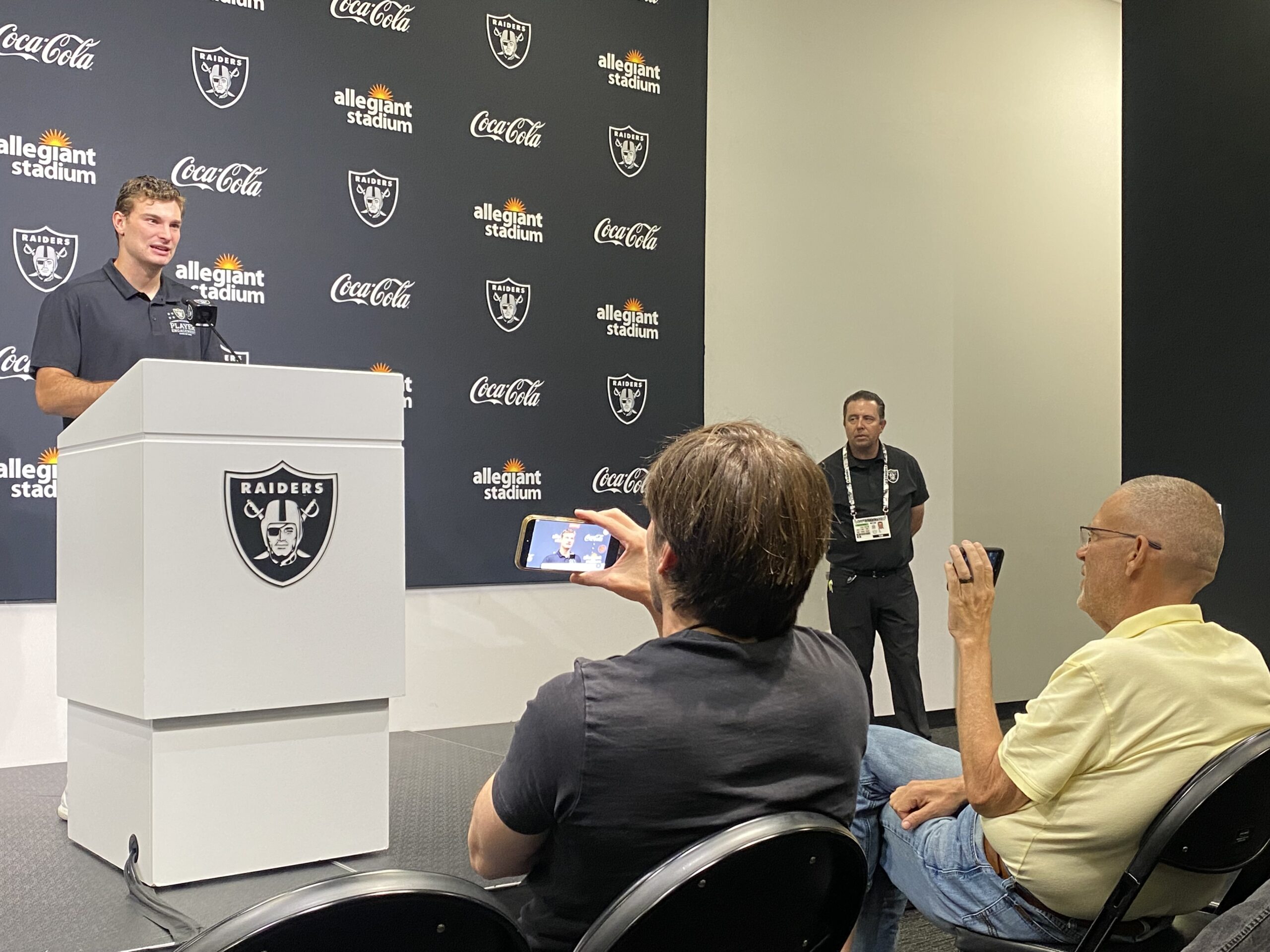
LAS VEGAS, Nevada — It’s 4:18 PM Thursday when the The Earnest One — 22-year-old Fernando Mendoza — ran out to the tray of grass at Allegiant Stadium before his first preseason game as a pro.
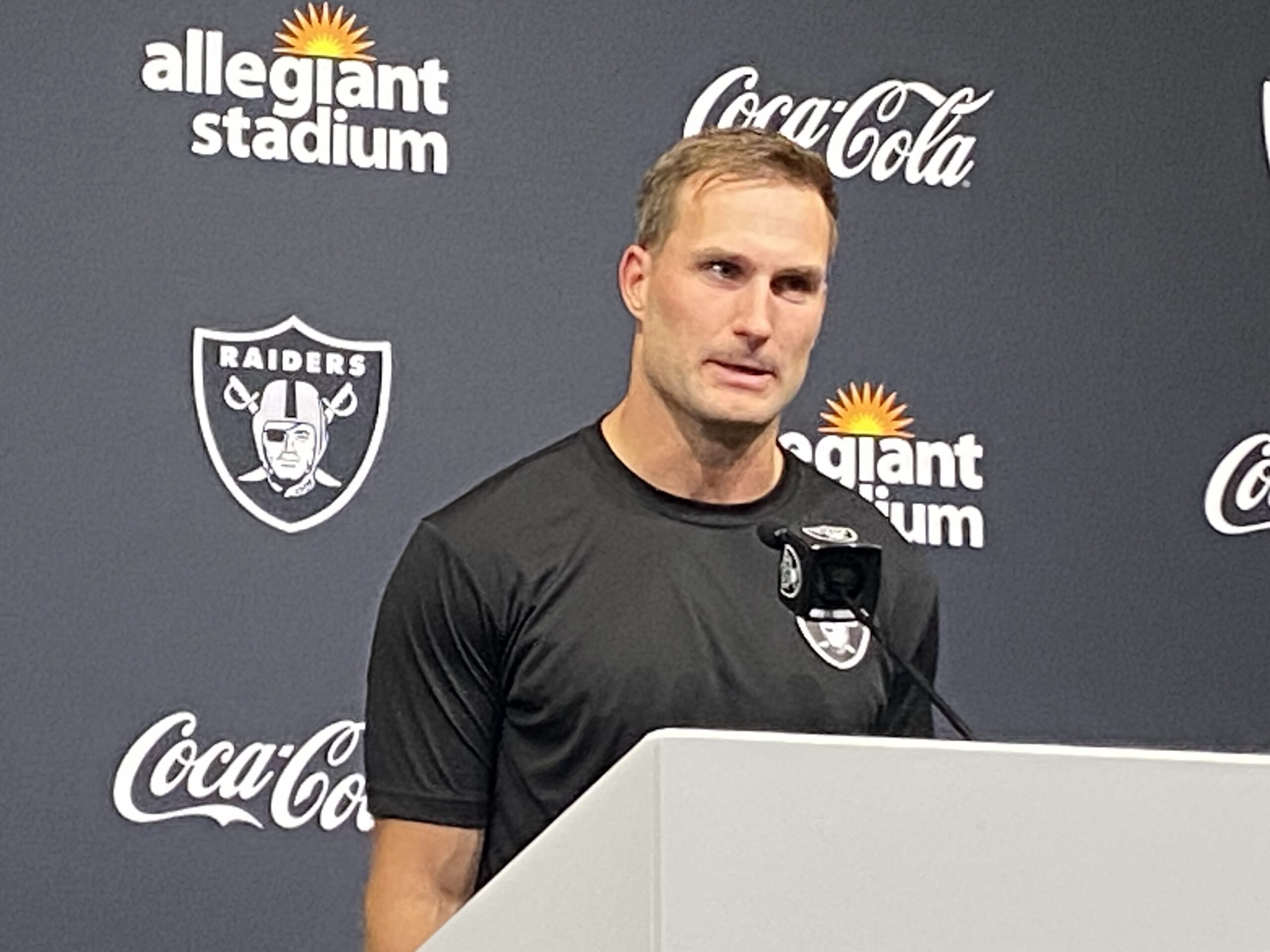
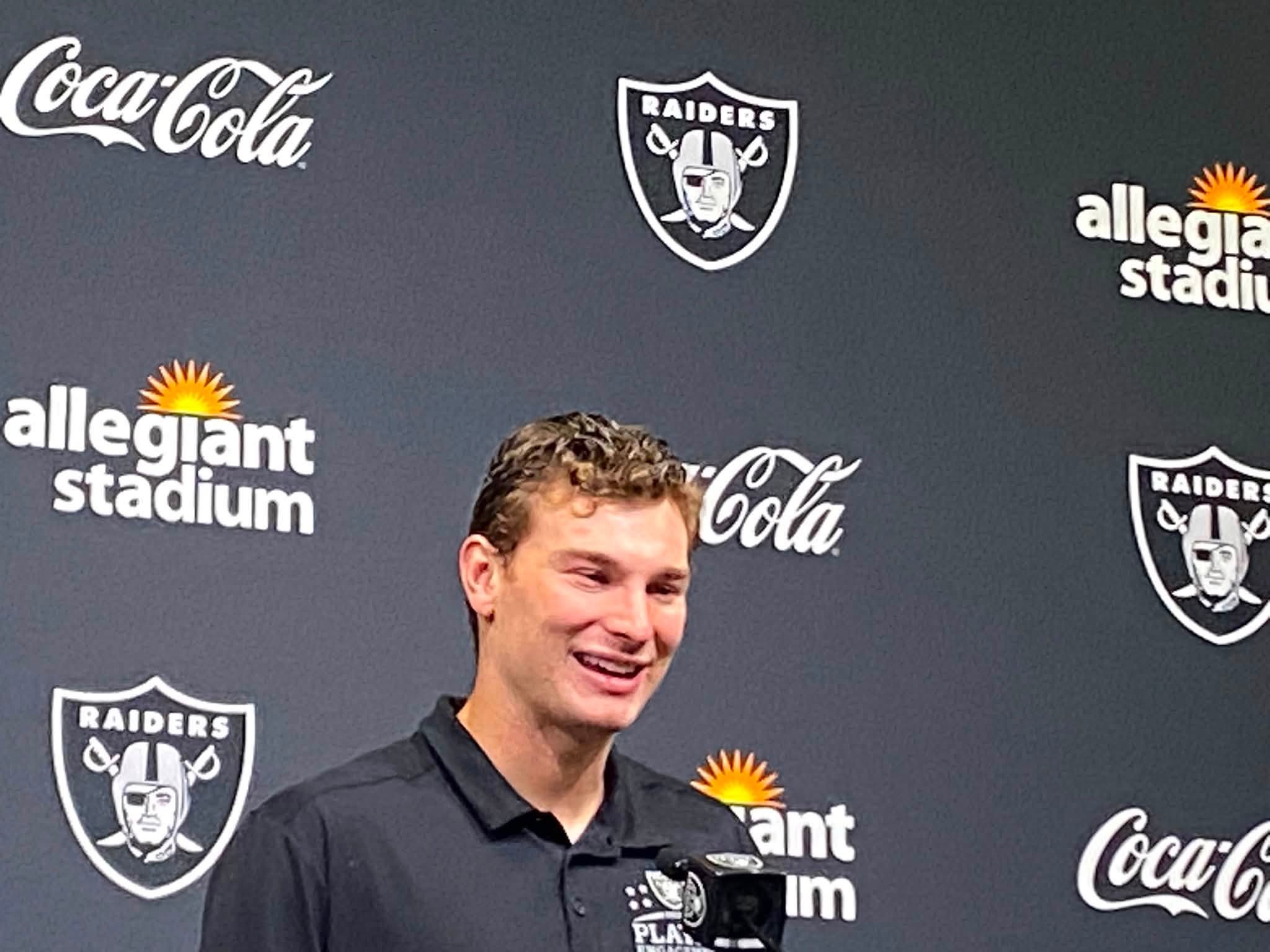
The Heisman winner and NFL overall number one draft pick threw a touchdown in his first game as a pro — a preseason loss to the Cardinals at Allegiant Stadium Thursday evening. So poised and friendly after the game, Mendoza first thanked God.
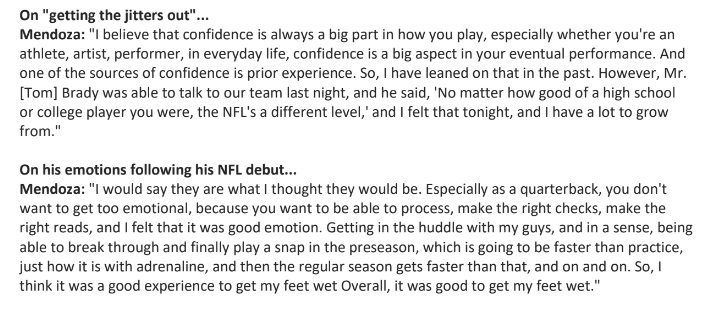
“First, I want to thank God and my teammates and coaches for allowing me the opportunity. Today was an invigorating experience where, there’s not many moments where you feel fully alive, and on the field when you feel fully alive, especially in the NFL atmosphere,” he said.
“So, I want to give thanks to that. It was great to get out there, get my feet wet, especially the first drive. It felt a little sped up because so much anticipation and excitement,” Mendoza said. “However, I feel like my teammates around me protected me very well, and they helped me. They helped slow me down, and I think it was a good experience.”
Raiders coach Klint Kubiak on Mendoza after the 27-14 loss to Arizona: “Well, I thought he led a good scoring drive as far as getting in and out of the huddle and commanding the group and getting the play calls down. I saw the same guy that we’ve seen in practice. I see an ascending player. We’ve just got to keep getting better.”

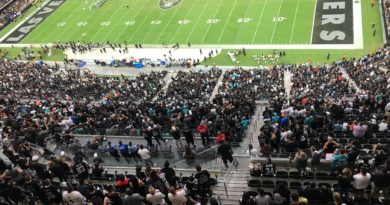
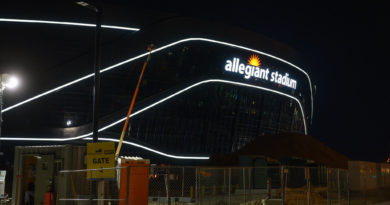
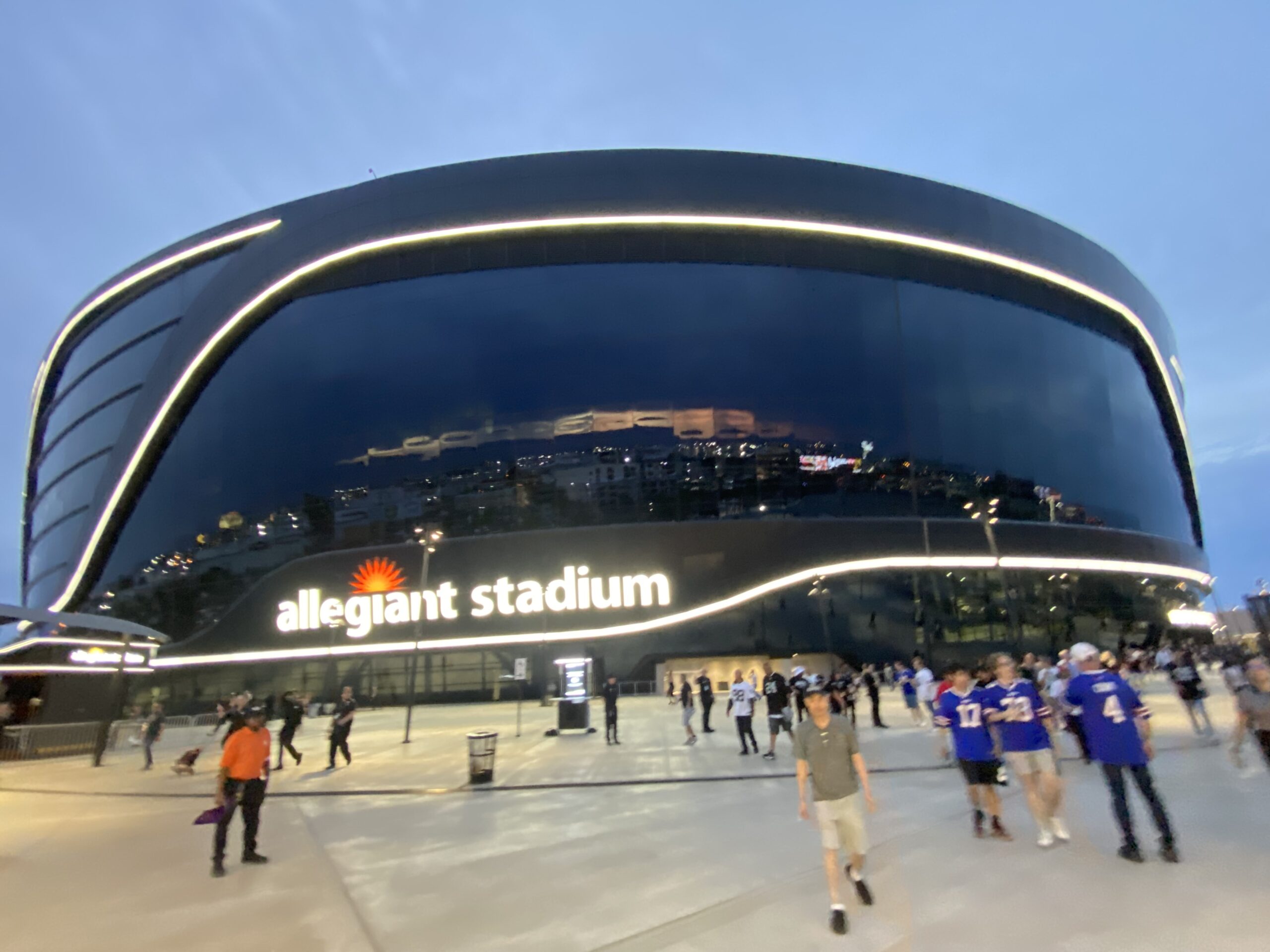
It was still 42 minutes before the Cardinals played the Las Vegas Raiders and fans were scattered around the domed venue on the west side of I-15 across from the Mandalay Bay hotel-casino. Here’s a look at the stadium ten minutes before 5 PM.
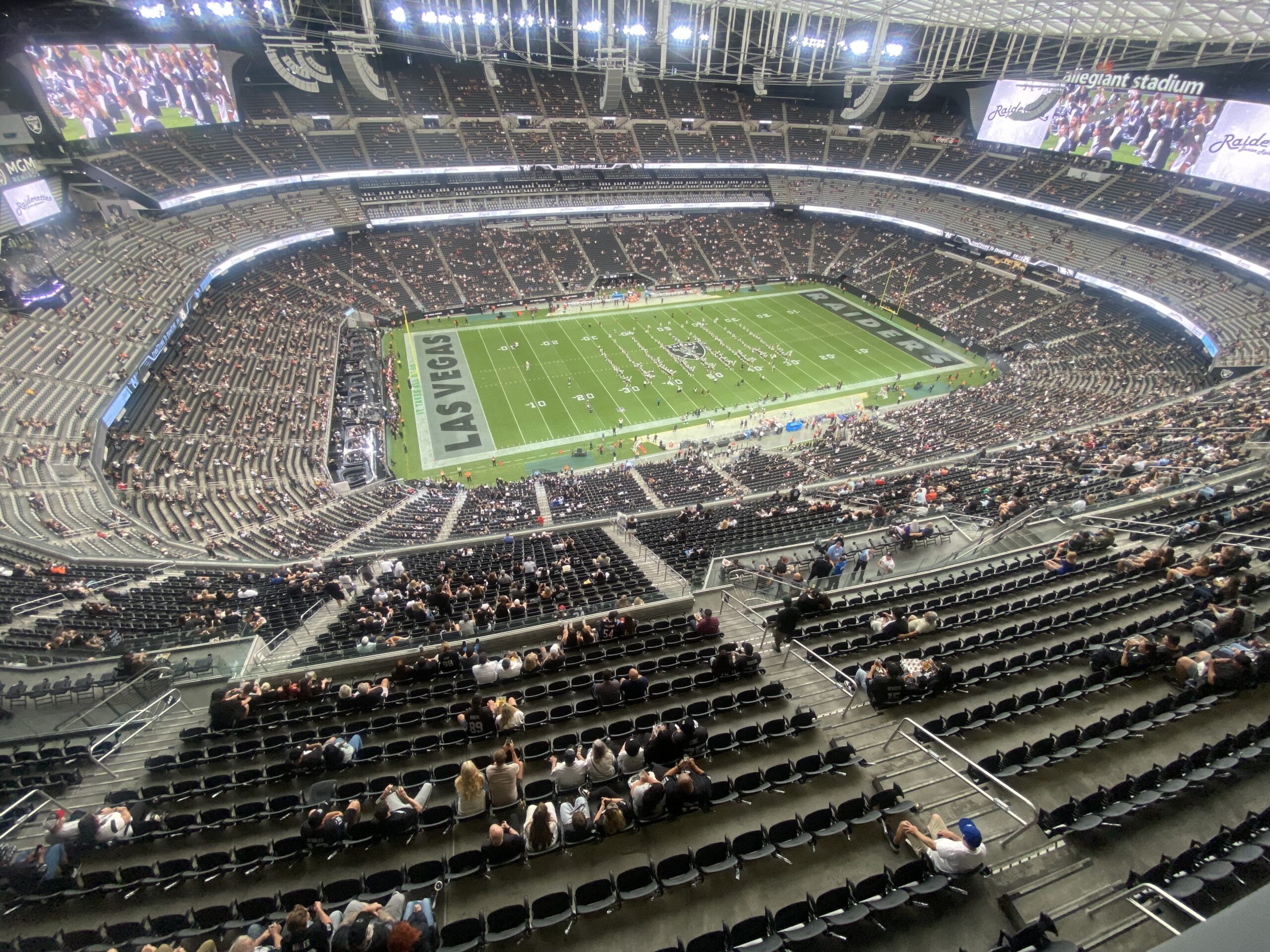
At 5:32 PM and midway through the first quarter, Mendoza bearing his number 15 jersey trotted onto the field to lead the offense after starter Kirk Cousins showed pinpoint passing during a well-crafted touchdown drive to give the new-look Raiders a 7-0 lead.
Allegiant Stadium is Las Vegas’ pride-and-joy.
Metro Las Vegas and Clark County hotels are raising more than $1 billion in hotel room tax revenues to pay off the $750 million in public dollars spent to help the Raiders build this stadium that opened in 2020. The $750 million subsidy was a public contribution record when the Raiders stadium was built.
The LVCVA, the Las Vegas’ publicly funded tourism board, says the stadium generates $1.1 billion in what it calls “annual economic impact.” Allegiant Stadium itself said its events earned more than $281 million in gross revenue during the Billboard Magazine’s reporting period, from Oct. 2024 – Sept. 2025. making the venue the U.S.’s top grossing stadium.
Impressive numbers. But who gets the $1.1 billion in “economic impact”? Certainly, the Raiders, which is charged with managing the venue. And the hotel companies that own the properties on the Strip.
Then, there’s the F1 Las Vegas Grand Prix, set for Nov. 19-21 this year in its fourth year after a controversial and disasterous inaugural season in 2023 marked by traffic jams on the Strip, lawsuits filed by businesses that alleged they lost millions of dollars and literally no community outreach to Las Vegas locals. Even the race’s first ever night in 2023 resulted a class action lawsuit that was recently settled for more than $3 million.
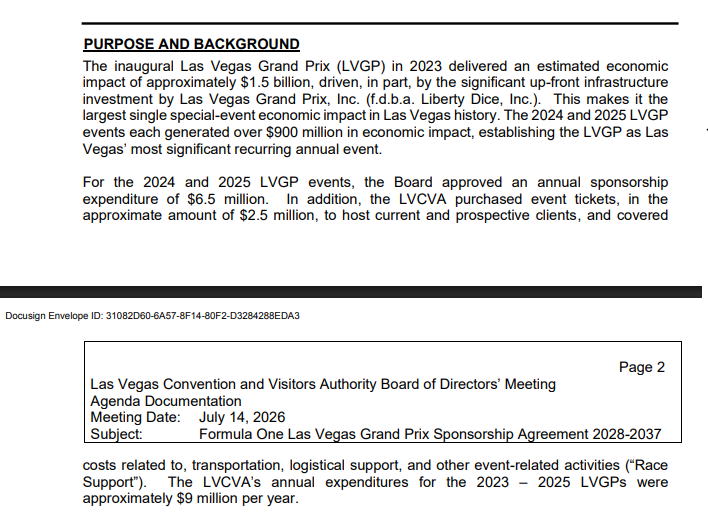
At an LVCVA board meeting, the tourism agency’s consultant, Jeremy Aguero of Las Vegas-based Applied Analysis, said the F1 event had a $3.2 billion “economic impact” in 2023, 2024 and 2025. The number was used to justify the LVCVA’s $100 million sponsorship for the F1 race for ten years.
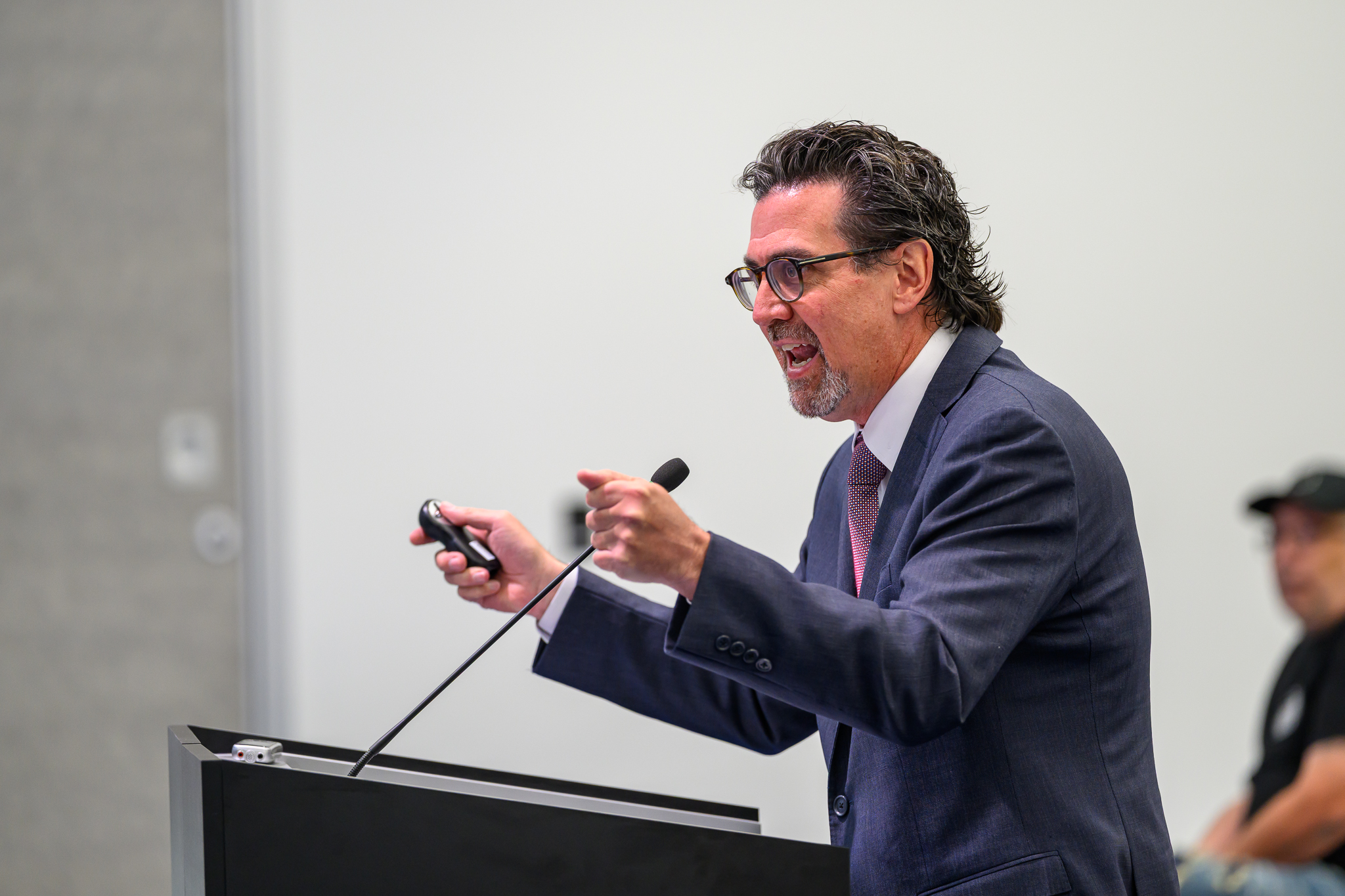
These economic numbers highlight one central question: If the stadium and F1 are infusing the Las Vegas economy with billions of dollars, why are there so many national reports showing Nevada and Las Vegas at bottom of national rankings for everything from quality of life and health care to education and economic growth.
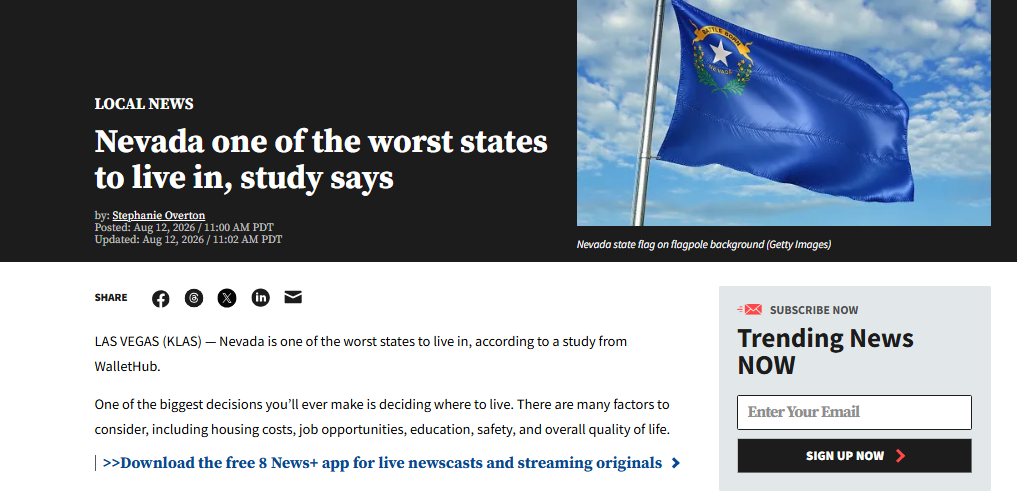
Bear witness to a headline this week: “Nevada one of the worst states to live in, study says.”
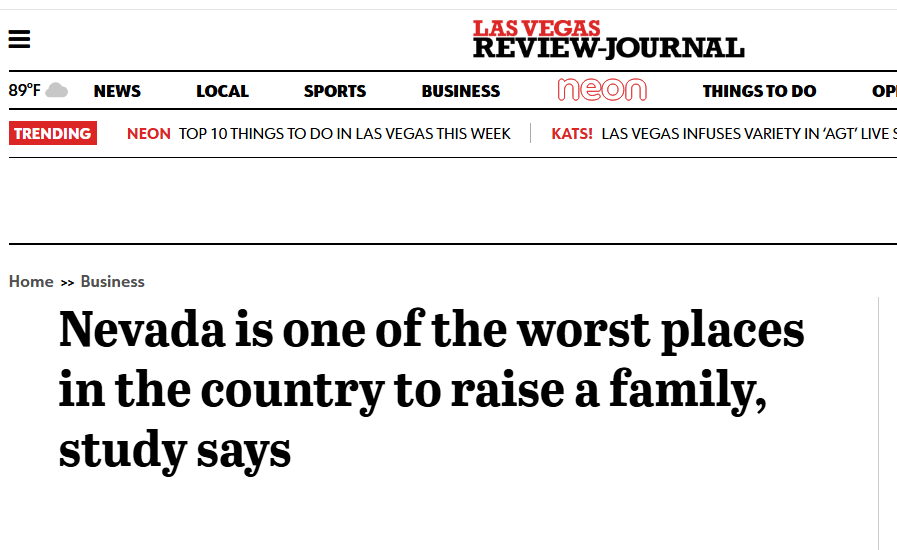
Even the local newspaper in Las Vegas cited a report that declared, “Nevada is one of the worst places in the country to raise a family, study says.”
Events like the F1 race, Raiders games — and future MLB A’s games in another partially-subsidized stadium set to open in 2028 — generate revenues.
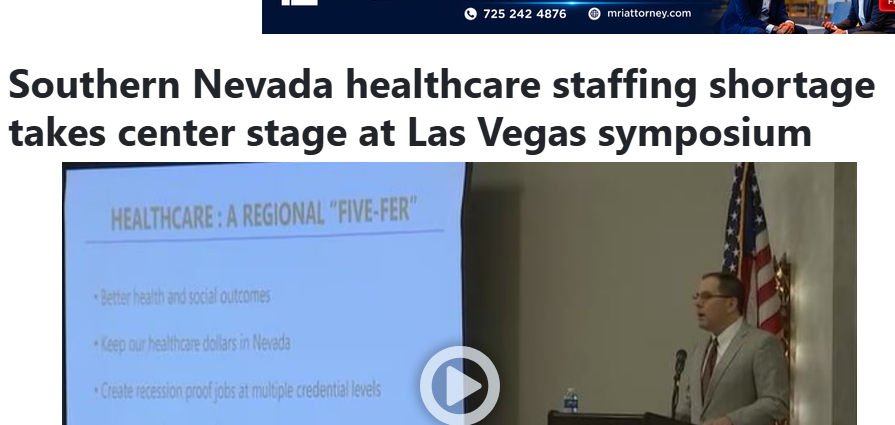
But why does Las Vegas continue to suffer from a reputation of having one of the worst and under-funded public education systems in the country and a health care system with a shortage of doctors and medical personnel.
Per capita income is also middle of the road in the Las Vegas market.
In the face of these amenity shortfalls, Las Vegas remains a one-dimensional economy, one over-reliant on sports and entertainment.
Mendoza might one day save the Raiders.
But can he overhaul the education and health care systems?
He’s no miracle worker.
But he is “an ascending player,” Raiders coach Klint Kubiak said after the game.
PSA
Turning 10 in 2027