City of Las Vegas, RTC of Southern Nevada Spent Nearly $5 Million On Road Safety Reports, But Where Are Bicycle, Pedestrian Improvements?
ADVERTISEMENTS
*

*

(Disclosure: LVSportsBiz.com publisher Alan Snel paused his newspaper reporting career in early 2006 to start a bicycle store coalition in the Tampa Bay market to work on road safety and bicycle awareness issues and worked 6 1/2 years on making road safety a public policy issue before moving to Las Vegas in late 2012 to work at the Review-Journal newspaper. After four Clark County students were killed by motorists while they walked/bicycled to and from school in the past year, Snel decided to use LVSportsBiz.com to report more on why Las Vegas/Clark County ranks low in road safety and bicyclist/pedestrian infrastructure.)
*
By Alan Snel, LVSportsBiz.com Publisher-Writer
LAS VEGAS, Nevada — If you walk or ride a bicycle in the Las Vegas/Clark County area, it does not take long to realize that roads can be a dangerous place.
Many major roads were designed as highways with traffic lights to more cars as fast as possible, intersections are danger zones where drivers routinely run red lights and fail to stop at red lights when making right turns and paved trails in the center of Las Vegas are as hard to find as rivers and lakes in the desert.
These are hardy revelations. City and county officials are well aware of the conditions.
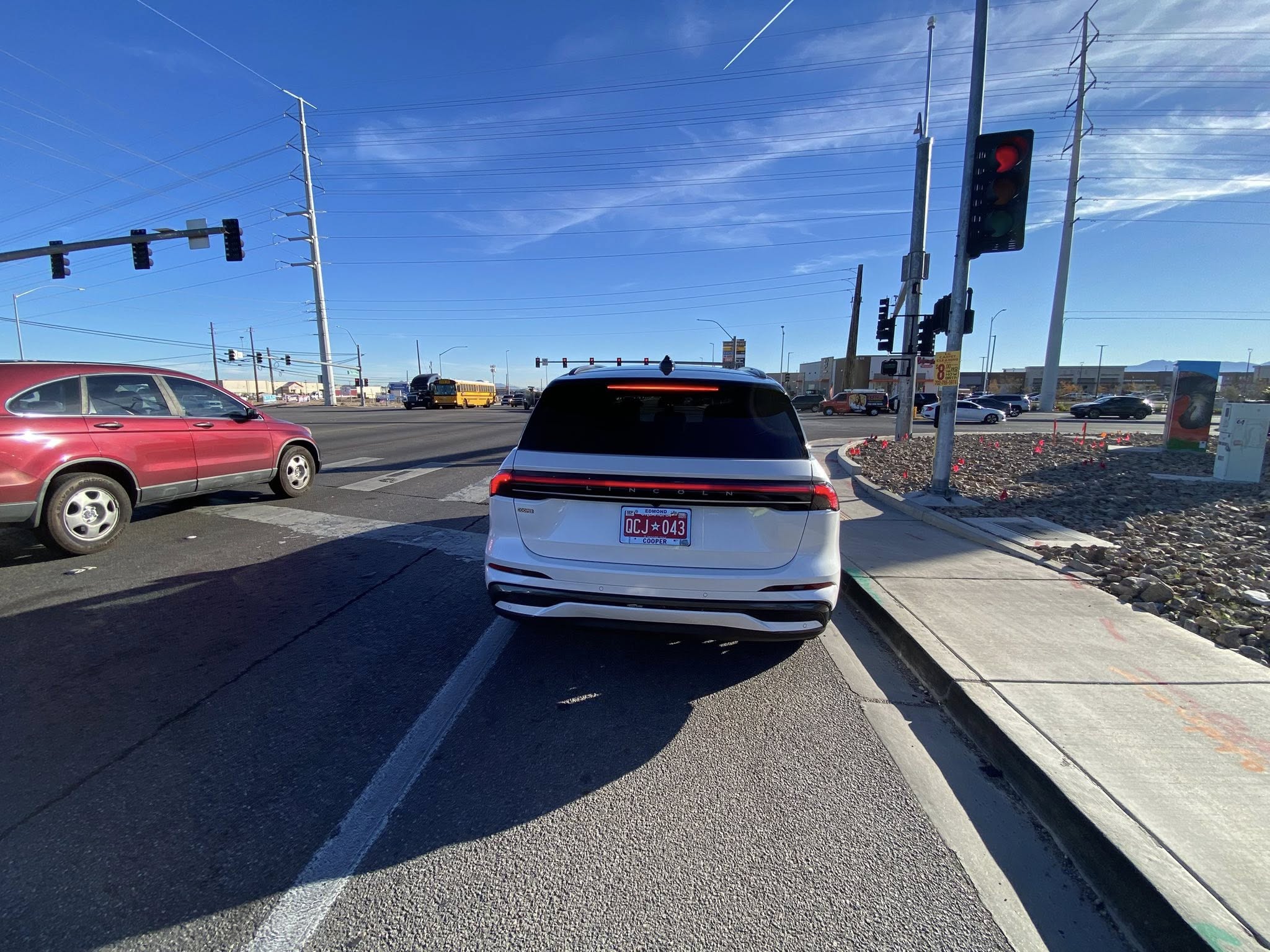
But locals whom LVSportsBiz.com talked with wonder why local governments continue to spend hundreds of thousands of dollars on engineering studies and reports when pedestrians and bicyclists want paved trails and safe streets, not more reports.
LVSportsBiz.com asked the city of Las Vegas and the local public transportation agency, Regional Transportation Commission of Southern Nevada, for the amounts of money awarded for current safe streets programs.
The city of Las Vegas paid $800,000 to a Henderson engineering company, AtkinsRéalis, for work on something called Vision Zero.
Meanwhile, the Regional Transportation Commission of Southern Nevada spent nearly $4 million on two road programs to AtkinsRéalis and Kimley-Horn and Associates thanks to federal funds.
The RTC’s “Safe Streets for All Community Action Plan” is funded through a $1,684,000 federal SS4A grant with a $421,000 local match, for a total project cost of $2,105,000. AtkinsRéalis was awarded the contract to complete this work.

“While we are not branding it specifically as a “Vision Zero” program, the goal is aligned with Vision Zero principles — reducing traffic-related deaths and serious injuries across Southern Nevada,” the agency said in an email to LVSportsBiz.com.
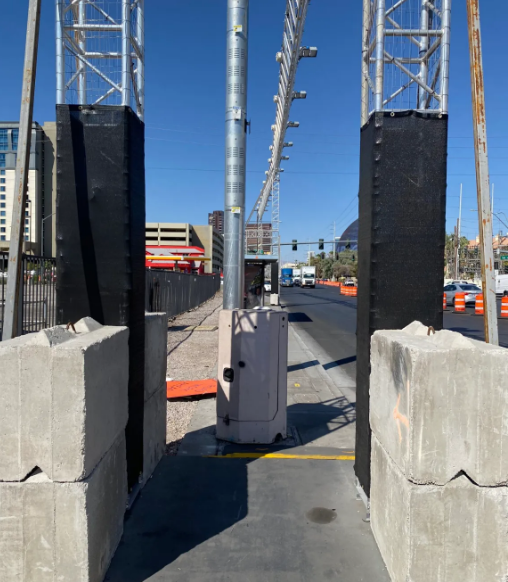
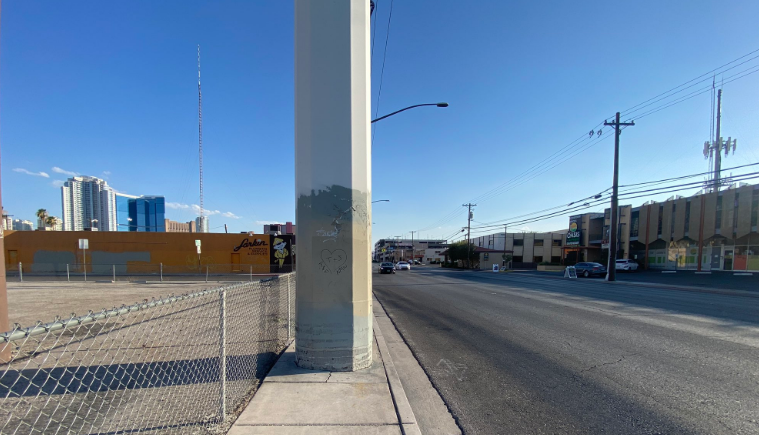
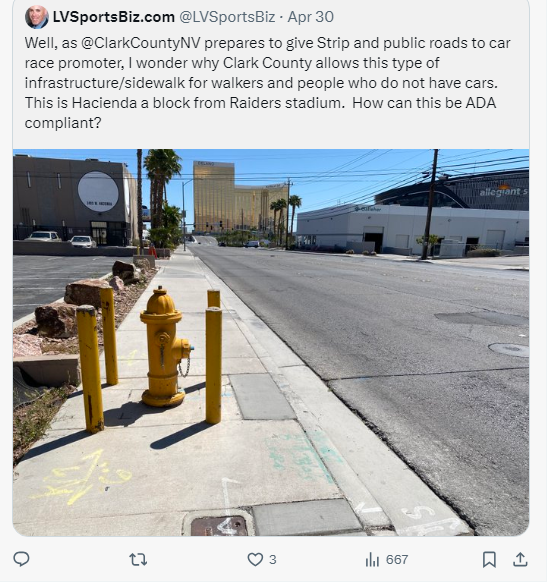
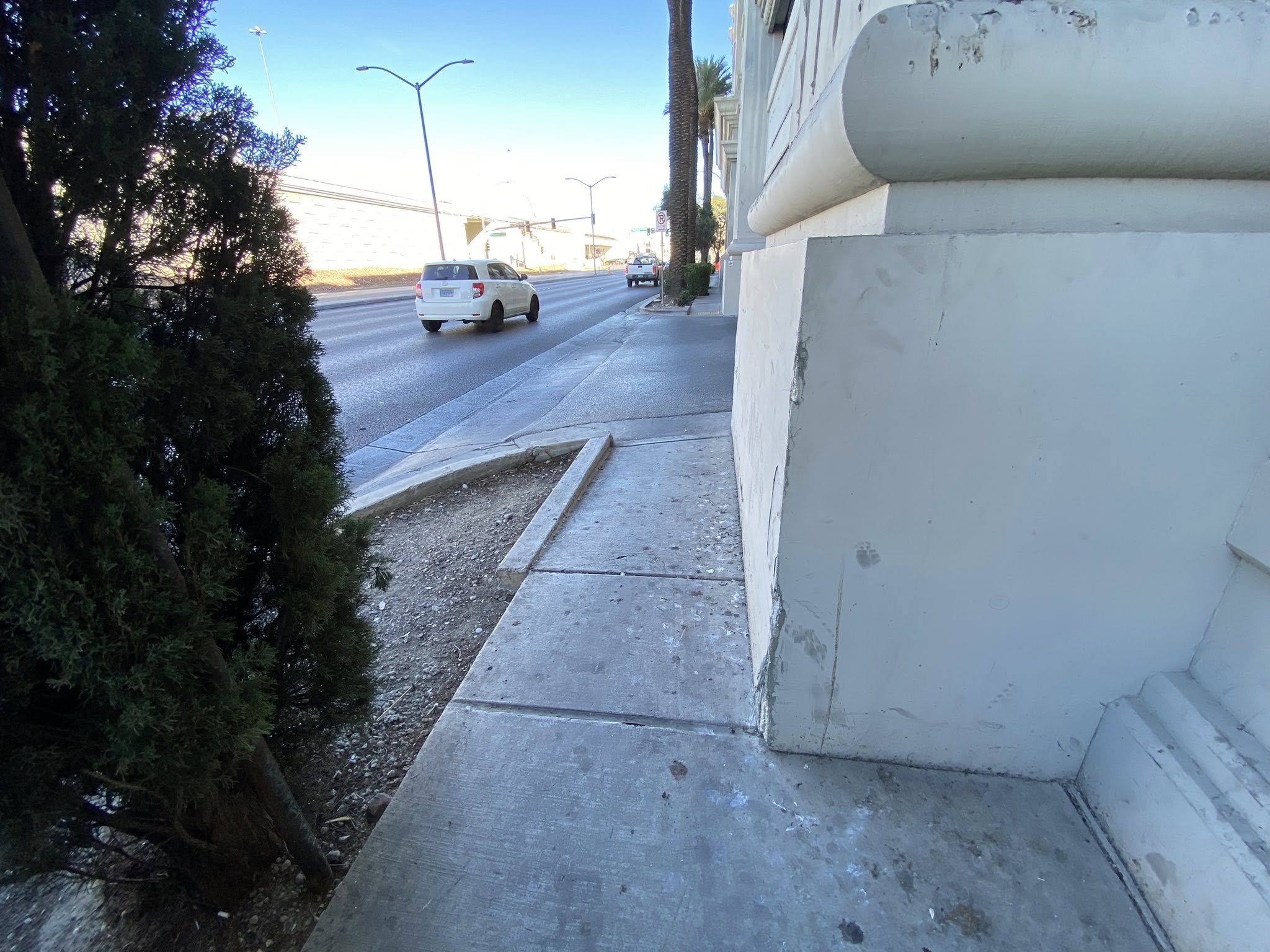
Meanwhile, LVSportsBiz.com has witnessed dangerous conditions like at-grade trails crossings that typically have bridges or tunnels; wide roadways with fast-moving motorized vehicles with limited infrastructure for bicyclists like paved trails or even bike lanes; hardly any infrastructure in the Strip corridor where a connection between downtown Las Vegas and the Strip hotels are needed.
People For Bikes ranked the city of Las Vegas at the 29th percentile (2,073 out of 2,901 cities in the U.S. in bicycle connectivity) in 2025 after the Colorado-based national bicycle organization ranked the coty at the 39th percentile in 2024.

^